Welcome to CMAT Dashboard
AI-enabled oversight for Zambia’s climate finance, policy, and projects — crafted by the National Assembly of Zambia (NAZ) with AGNES.
Unlock CMAT
Create an account to get full access: upload & analyze budgets, save your work, and track your legislative calendar—all in one place.
📌 Overview
The Climate Monitoring & Accountability Tool (CMAT) strengthens parliamentary oversight by tracking climate budgets, programmes, and indicators. Use the menu or quick actions above to explore.
🇿🇲 Zambia NDC 3.0 Targets
- Base Year: 2010
- Unconditional Target: 25% emission reduction
- Conditional Target: 47% emission reduction
- Target Year: 2030
About CMAT
The Climate Monitoring & Accountability Tool (CMAT) is an AI-enabled platform by the National Assembly of Zambia (NAZ), developed with AGNES, to help Parliament and stakeholders track climate policy, budgets, and project implementation.
Background & Context
The National Assembly of Zambia (NAZ) Technical Team, in collaboration with the African Group of Negotiators Experts Support (AGNES), developed indicators for the CMAT in line with the NAZ Standing Orders (2024) and the National Planning and Budgeting Act No. 1 of 2020. Parliament provides oversight over the Ministry of Green Economy & Environment (MGEE) on mandate, strategy, management, operations, and budgets concerning climate action.
📌 Mandate (MGEE)
Promote effective and sustainable use of the environment by facilitating support for adaptation to and mitigation of climate change (Government Gazette Notice No. 1123 of 2021).
🎯 Strategy
📘 Contribution to the 8NDP (2022–2026)
🏛️ Programme Structure (Output-Based Budgeting)
Performance is measured against output indicators & targets per programme.
Indicators for the CMAT (2025)
These indicators are fused with AGNES metrics and aligned to NAZ Standing Orders and the National Planning & Budgeting framework. Use them to track laws, finance, governance, capacity, implementation, projects, research, awareness, international commitments, outcomes, and impacts.
📜 Legislative Indicators
💰 Financial Indicators
🧭 Policy & Governance Indicators
🎓 Capacity-Building Indicators
🚚 Implementation Indicators
🗂️ Project-Specific Indicators
🔬 Research & Development
📣 Awareness, Monitoring & Evaluation
🌐 International Commitments
🎯 Outcome Indicators (to be added)
📈 Impact Indicators (to be added)
Once these indicators are fed into CMAT, parliamentary capacity to track and scrutinise government action on climate change will be enhanced.
Reference Documents
Content on Climate Change
Explore highlights on climate action, policies, and key events

COP-28
Highlights from COP-28 showcasing international commitments.
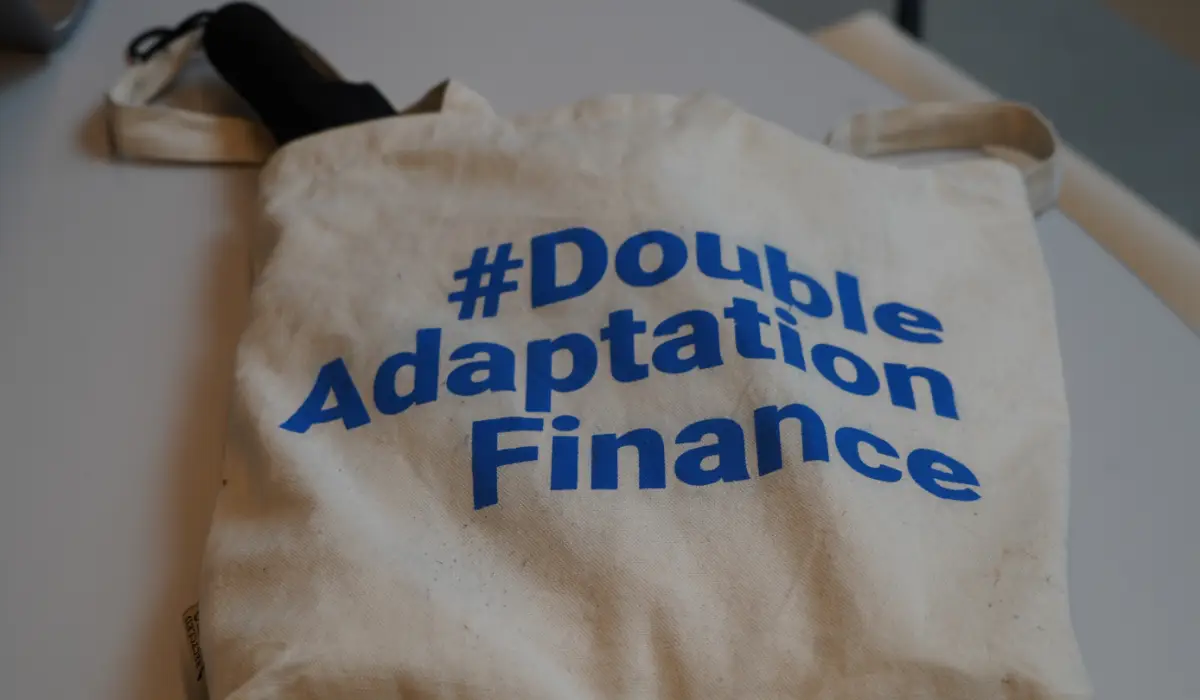
Climate Finance
Insights on financing climate projects and mobilizing resources.

Climate Change Impact
Examining the effects of climate change on communities.

COP-29
Looking ahead to COP-29 and key negotiations.
Climate Change Policy
Understanding Zambia’s and global climate policies.
Learn about AGNES
Discover the role of AGNES in climate negotiations.
📰 News & Articles
Always up to date with our latest News and Articles

Musokotwane to Unveil 2026 Budget on September 26
Posted by John • 2025-09-23 12:27:29Content: Zambia’s Finance and National Planning Minister, Dr. Situmbeko Musokotwane, is set to present the 2026 National Budget on September 26, 2025...
Read more →
Cabinet Deploys Security Forces to Curb Illegal Mining, Approves Key Legislative Reforms
Posted by John • 2025-09-23 12:25:17Content: The Zambian Cabinet, in its 12th meeting of 2025, approved several legislative and policy reforms to address the rising challenge of illegal...
Read more →
“Bill 7 Sparks Heated Parliamentary Debate Over Constitutional Reforms”
Posted by John • 2025-09-23 11:35:01The presentation of Constitution Amendment Bill No. 7 to Parliament has stirred political tension and public scrutiny as lawmakers begin debating a wi...
Read more →